


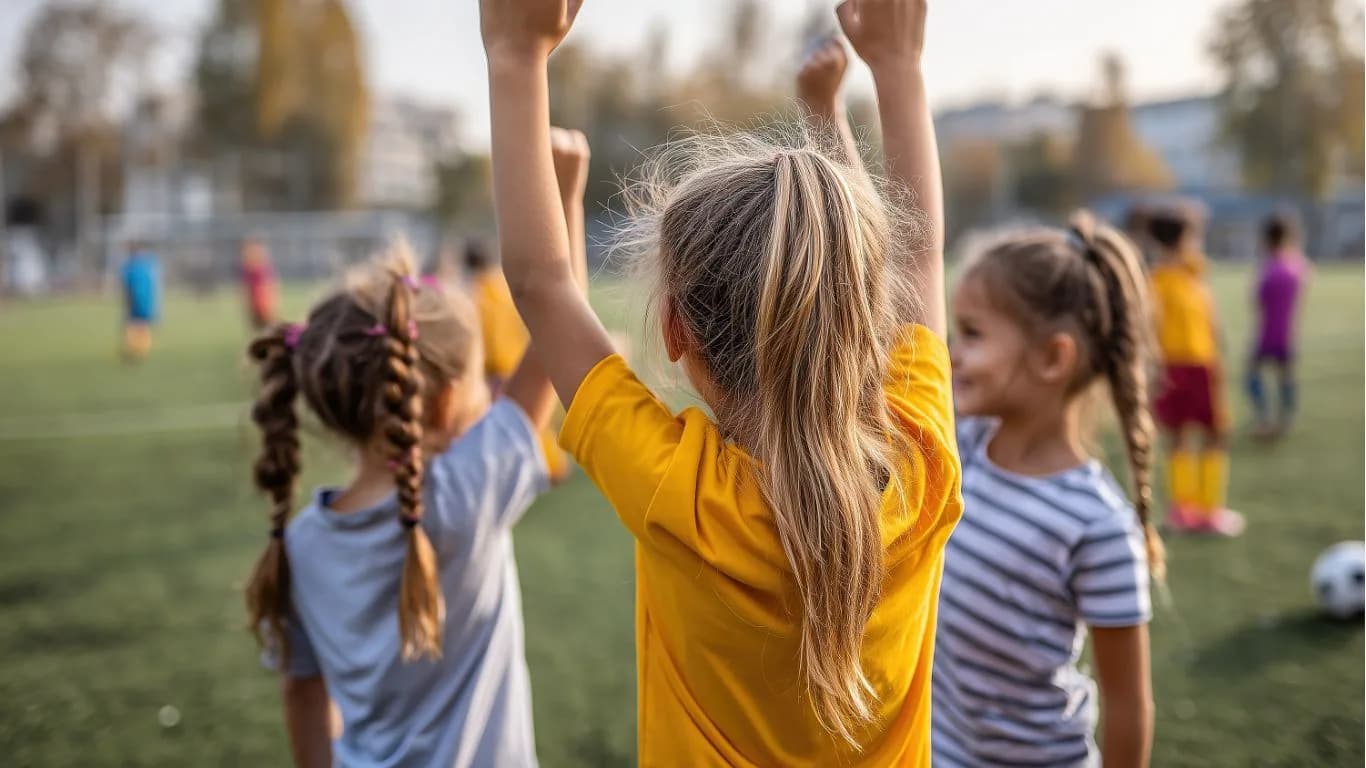
In today's fast-paced world, students are often faced with the challenging task of balancing multiple commitments, including sports and academics. As the importance of extracurricular activities grows, learning how to balance sports and after school tutoring has become a crucial skill for student-athletes. This balancing act is essential to promote personal growth, enhance skills and ensure academic success.
The Benefits of Extracurricular Activities
Engaging in sports offers a host of benefits that extend beyond physical fitness. Participation in athletics fosters essential life skills such as:
Teamwork: Students learn to work collaboratively with peers, an important skill in both academics and future careers.
Discipline: Regular training and commitment to a sport instill a strong sense of discipline, which can translate to better study habits.
Physical Health: Sports contribute to overall well-being, energy levels, and the ability to focus during academic activities.
Interestingly, studies have shown that students who participate in sports tend to perform better academically. According to research published by the CDC, student-athletes often enjoy higher grades and lower dropout rates compared to their non-athletic peers. This statistic underscores the potential positive impact of sports on education and vice versa.
The Strain of Scheduling Conflicts
While the benefits of sports are evident, balancing sports commitments with after-school tutoring can lead to significant challenges. Here are some common issues faced by student-athletes:
Time Management: Juggling practices, games, and study sessions can be overwhelming. Without a solid plan, students may struggle to keep up with their workloads.
Stress: The pressure to excel in both academics and athletics can lead to heightened stress levels. This stress may negatively impact both performance in school and on the field.
Missing Classes: Game schedules often overlap with important school events, leading to missed classes and critical learning opportunities.
Consider the example of Mia, a high school soccer player who frequently missed her after-school tutoring sessions due to evening games. Despite her dedication to the sport, her grades began to slip, creating a cycle of stress and frustration that impacted her performance. Stories like Mia's demonstrate the need for strategies to effectively manage sports and academics.
As we delve further into this topic, it's essential to explore practical solutions and strategies that can help students like Mia seek balance. By learning how to balance sports and after school tutoring, student-athletes can thrive academically while pursuing their passion for sports. In the following sections, we will explore tips and techniques to achieve this balance effectively.
Strategies for Effective Balance
Learning how to balance sports and after school tutoring requires actionable strategies that can help students navigate their commitments effectively. Below are some practical steps that can create harmony between academic responsibilities and athletic pursuits.
Establishing a Flexible Schedule
The cornerstone of effective time management is a well-structured, flexible schedule. Here are some tips to consider when creating that schedule:
Weekly Planning: Dedicate time each week to plan your schedule. Include sports practices, games, and tutoring sessions during this time.
Prioritize Tasks: Rank your responsibilities by their importance and deadlines. Focus on completing high-priority tasks first.
Remain Flexible: Recognize that plans may need adjustments. Stay adaptable to change as needed, especially when unexpected events arise.
Establishing a calendar—whether digital or paper—can simplify this process. Block out time for studying, sports, and even relaxation so that all aspects of life are taken into consideration.
Effective Communication with Educators and Coaches
Strong communication is essential for balancing sports and after-school tutoring. Here's how student-athletes can effectively engage with their educators and coaches:
Talk to Teachers: Inform tutors and teachers about your sports schedule. By understanding your commitments, educators may offer additional support or adjust deadlines.
Collaborate with Coaches: Speak with your coaches about your academic goals. A good coach can be understanding and may help you manage practice times around your tutoring sessions.
Use Group Communication: Consider setting up a group chat or email thread that includes your teachers and coach. It can help in coordinating schedules seamlessly.
A partnership between students, parents, teachers, and coaches can establish a supportive network that values both sports and academics.
Utilizing After School Tutoring to Maximize Academic Efficiency
Exceed Learning Center provides tailored after-school tutoring that can significantly benefit student-athletes. Here’s how:
Personalized Learning: With a focus on individual strengths and weaknesses, students receive tailored plans that suit their unique educational needs.
Structured Environment: A supervised and organized setting promotes focus and productivity, ensuring students maximize every minute of their study time.
Skill Reinforcement: Tutors work on reinforcing critical skills in subjects like math and science, enabling athletes to maintain or improve their grades while managing time effectively.
By taking advantage of structured tutoring, students can stay academically ahead without compromising their sports commitments. Exceed Learning Center aims to enhance not just grades, but also essential study habits and time management skills that benefit athletes in all aspects of life.
As the athletic season progresses, implementing these strategies will be crucial for maintaining both academic and athletic performance. Learning how to balance sports and after school tutoring equips students to thrive in their dual roles.
Long-term Strategies for Success
Successfully learning how to balance sports and after school tutoring involves adopting long-term strategies that help students develop habits crucial for their academic and athletic journey. Cultivating these skills early on not only benefits students during their school years but also prepares them for future challenges in both their personal and professional lives.
Promoting Time Management and Organization Skills
To thrive in a world filled with commitments, students need effective time management and organizational skills. Here are several techniques to enhance these abilities:
Daily Planning: Encourage students to maintain a daily planner or app where they list assignments, practices, and deadlines. Setting aside time each day for this task can greatly enhance their organization.
Set Short-Term Goals: Breaking larger tasks into smaller, manageable goals can prevent feelings of overwhelm and provide a sense of progress.
Use Productivity Tools: Utilize apps designed for scheduling and task management, such as Trello or Google Calendar, for keeping track of important dates, study sessions, and practice times.
By fostering organizational habits and utilizing modern tools, students can efficiently balance their academic and athletic responsibilities, ultimately leading to improved performance in both areas.
Building a Support Network
A strong network of support is invaluable for student-athletes. Family members, friends, and tutors play significant roles in a student’s journey. Here’s how to create an effective support system:
Engage Family Support: Encourage open communication with family about schedules and feelings. Family can help by providing transportation or assistance with academic work.
Study Buddies: Forming study groups with teammates or classmates can promote shared responsibility for academic success while fostering camaraderie.
Group Tutoring Sessions: Consider enrolling in group tutoring at centers like Exceed Learning Center to enhance learning through peer interaction, which can make study time more enjoyable.
With a reliable support network, students can feel empowered to tackle both their academic and athletic commitments with confidence and resilience.
The Importance of Balance for Lifelong Success
Achieving a suitable balance between sports and academics teaches students critical life lessons, including time management, resilience, and adaptability. Managing these commitments equips them with skills that extend far beyond school:
Resilience: Students learn to handle setbacks, whether it's a tough loss in sports or an academic challenge, fostering a mindset that embraces growth.
Preparation for Future Pursuits: Balancing multiple commitments prepares students for future academic and career challenges, giving them the tools to succeed in any endeavor.
Holistic Development: Developing interests outside of academics promotes well-rounded individuals who appreciate physical health and the significance of teamwork, both in and out of the classroom.
In conclusion, encouraging a balance between sports and academics is essential for holistic development. Parents are urged to consider personalized programs at Exceed Learning Center as a valuable resource for academic support after school. Providing tailored educational experiences ensures that students thrive both in their studies and sports.
Final Thoughts
As we wrap up, maintaining a balanced approach to sports and academics can significantly impact students' growth and success. It’s vital to assist them in navigating their commitments effectively, and Exceed Learning Center is dedicated to making this balance achievable. Parents are encouraged to reach out for a consultation to explore personalized tutoring options that align with their children's athletic commitments.